
Does your home need updating to sell, but you don't want to do the renovation? We have cash buyers who will buy your home!
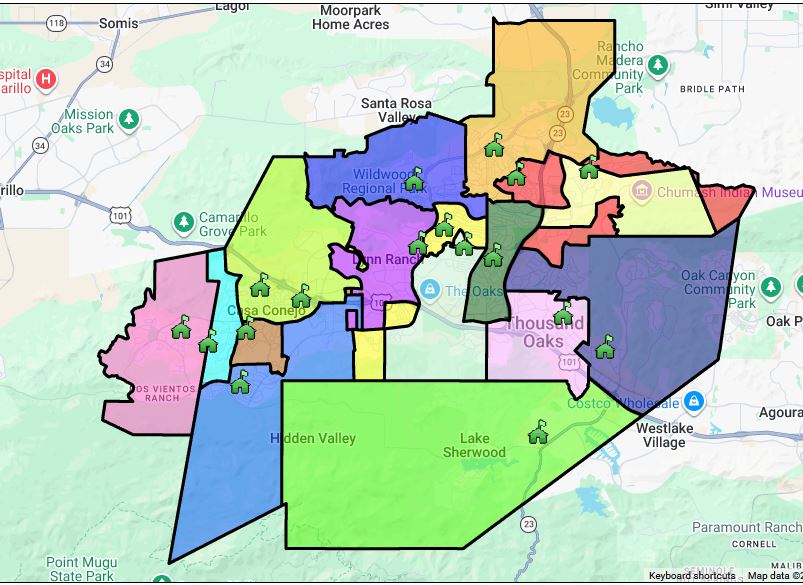
Ventura County isn’t just famous for its rolling hills, surf‑ready beaches, and easy‑going lifestyle—it’s also a patchwork of school districts that can dramatically shift a home’s market value. Whether you’re a first‑time buyer, a growing family, or an investor eyeing resale potential, understanding how those invisible lines on a map affect price tags is essential. Below, we break down the key ways school‑district boundaries shape home prices across the county, sprinkle in some local data, and offer practical tips for navigating the market.
Why it matters:
In Ventura County, the reputation of a school district is often the single biggest driver of buyer interest. Districts consistently ranked “high‑performing” by GreatSchools, Niche, or local parent surveys tend to attract more competition, which pushes prices upward.
What the numbers say:
Takeaway: If a property sits inside a top‑rated district, expect a noticeable bump in its listing price—and its resale value down the line.
Why it matters:
Ventura County’s districts aren’t monolithic rectangles; they snake around natural features, city limits, and even individual streets. That means two houses on opposite sides of the same road can belong to completely different districts—and therefore have very different market appeal.
Real‑world example:
Homes within the boundary zone for Lang Ranch Elementary or Mates Elementary will often sell faster than similar homes outside of those zones, due to their consistently high rankings.
Takeaway: Always verify the exact school‑attendance zone before making an offer. A quick check with the district office—or a map from the county assessor—can save you from overpaying or missing out on hidden value.
Why it matters:
Ventura County is growing, and new housing projects sometimes trigger boundary adjustments. When a district expands to incorporate a new subdivision, the added homes can benefit from the district’s existing reputation—raising prices across the board.
Recent trend:
The Ventura County Planning Department approved a rezoning that added a new residential tract near Ojai to the Ojai Unified School District. Since Ojai Unified enjoys strong academic rankings, homes in the newly annexed area saw price appreciation of roughly 12 % within the first six months after the change.
Takeaway: Keep an eye on upcoming zoning proposals and school‑board minutes. Early awareness can give you a strategic edge—whether you’re buying before a boundary shift or selling after one.
Why it matters:
Families with school‑age children naturally prioritize district quality, but other buyer segments—such as retirees or remote workers—may weigh different factors (commute times, walkability, amenities). Still, even non‑family buyers often perceive a “good school district” as a proxy for overall neighborhood stability and safety, which can boost demand.
Local insight:
In Thousand Oaks, neighborhoods like Westlake Village and Lake Sherwood attract many empty‑nesters who value the quiet, upscale vibe. Even though they don’t have school‑age kids, the presence of highly rated schools contributes to a perception of a well‑maintained community, supporting higher baseline home values.
Takeaway: Don’t discount the indirect influence of school districts on broader buyer sentiment. A strong district can elevate a neighborhood’s cachet beyond just families.
| Situation | Action |
|---|---|
| You’re buying and the school district matters | • Use the county GIS map or the district’s “Attendance Zone” lookup tool. • Request a recent “School Boundary Confirmation Letter” from the district during escrow. |
| You’re selling a home in a high‑ranking district | • Highlight the district’s accolades in your listing description. • Include a printable PDF of the district’s latest report card. |
| You’re an investor targeting resale upside | • Target properties on the fringe of expanding districts. • Monitor local school‑board meeting minutes for upcoming boundary changes. |
| You’re a renter concerned about future schooling | • Ask the landlord for the school‑zone map and confirm with the district. • Consider lease‑to‑own options if you anticipate staying through a boundary shift. |
School‑district boundaries are more than just lines on a map—they’re powerful market signals that shape home prices across Ventura County. Whether you’re buying, selling, or investing, a clear understanding of those boundaries can mean the difference between a smart purchase and a costly misstep.
Want to dive deeper?
Feel free to reach out if you’d like a personalized market analysis that factors in school‑district dynamics. Happy house hunting!
